The Zika virus is transmitted to people through the bite of an Aedes species mosquito. It can be passed from an infected mother to her baby during pregnancy and can also be passed through sex. Many people infected with Zika do not show symptoms. In others, common symptoms include headache, fever, muscle and joint pain, rash, or red eyes. It can also cause specific birth defects. Seek medical attention immediately if you have symptoms and have been to an affected area.
Tips to prevent mosquito bites:
Outdoors
- Avoid areas such as lakes and ponds that are more likely to be infested with mosquitoes.
- Wear light-colored clothing that covers skin, including long-sleeved shirts, long pants, and hats.
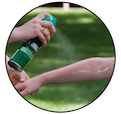
- Use mosquito repellents on bare skin and/or clothing.
The CDC recommends EPA-approved insect repellents with the active ingredients DEET, IR3535, oil of lemon eucalyptus, or picaridin. Remember to read and follow all label directions! Not all products can be used on young children.
Indoors

- Make sure your windows and doors have undamaged screens and are well-sealed.
- If you use air conditioning, make sure there is no standing water from condensation build-up.
- Use fans to blow the air around. Mosquitoes are clumsy fliers.
Learn more aboutmosquitoes in general.
If you have questions about this, or any pesticide-related topic, please call NPIC at 800-858-7378 or email us at npic@oregonstate.edu.