
1.800.858.7378npic@oregonstate.edu
Call, email, or chat Mon-Fri
A to Z

Regulation, Proper Uses, and Alternatives of Mothballs
Regulation
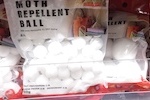
Mothballs are pesticides intended to kill clothes moths and other fabric pests. They are regulated in the United States by the Environmental Protection Agency. The label of any pesticide, including mothballs, specifies exactly where and how you can legally use the product. Using mothballs in a way not specified by the label is not only illegal, but can harm people, pets or the environment.
Some mothballs for sale may be illegal, which means they were imported without oversight of the product contents or labeling. Because they have not been evaluated, the risks they pose are unknown.
Proper Use of Mothballs
Mothball labels typically direct users to place mothballs in a tightly closed container that will prevent the pesticide fumes from accumulating in living spaces where people and pets can breathe them in for long periods of time. Inside airtight containers, the vapors released by the mothballs build up and kill the clothes moths.
One common mistake is using mothballs in containers that are not airtight, allowing the toxic vapors to escape into the surrounding air. This can lead to long-term exposure, which may cause health problems. Additionally, mothballs should not be used around food or food preparation areas.
Another common mistake is using mothballs in gardens or other outdoor locations to control insects, snakes or other wildlife. Using mothballs outside can harm children, pets and other animals. Mothballs used outdoors can also contaminate soil, plants and water. The information below contains additional resources for the proper use of mothballs and some alternative methods of controlling clothes moths.

Additional Resources:
Naphthalene Regulation
- Reregistration Eligibility Decision for Naphthalene - U.S. Environmental Protection Agency (EPA)
- Contaminant Candidate List Regulatory Determination Support Document for Naphthalene - U.S. Environmental Protection Agency (EPA)
- Naphthalene, IDLH Documentation - Center for Disease Control, NIOSH
- Naphthalene Regulations and Advisories - Agency for Toxic Substances and Disease Registry (ATSDR)
- No Significant Risk Level (NSRL) for the Proposition 65 Carcinogen Naphthalene - California Environmental Protection Agency
Paradichlorobenzene Regulation
- Paradichlorobenzene Reregistration Eligibility Decision - U.S. Environmental Protection Agency (EPA)
- Risk Evaluation for p-Dichlorobenzene - EPA's Toxic Substances Control Act
- p-Dichlorobenzene, IDLH Documentation - Center for Disease Control, NIOSH
- Dichlorobenzene Regulations and Advisories - Agency for Toxic Substances and Disease Registry (ATSDR)
Proper Use and Alternatives
- Mothballs: Proper Use and Alternative Controls for Clothes Moths - Oregon State Extension
- Clothes Moths - University of Kentucky Extension Service
- Preventing Damage from Clothes Moths and Carpet Beetles - New Mexico State University Extension Service
- Clothes moths - Utah State University Extension Service
- Managing Clothes Moth Infestations - Los Angeles Public Health Department
If you have questions about this, or any pesticide-related topic, please call NPIC at 800-858-7378, or email us at npic@oregonstate.edu.