
1.800.858.7378npic@oregonstate.edu
Call, email, or chat Mon-Fri
A to Z

Health and Safety Information
Pesticides can be beneficial to society in many ways. Pesticides are used to control:
- disease-carrying insects like ticks and mosquitoes
- rodents which may transmit disease
- germs and pathogenic organisms
- pests that damage homes and structures vital to public safety
- pests that damage crops
However, pesticides can also be harmful to human or animal health or the environment when pesticides are not used according to label directions, or when one is over-exposed to a pesticide. Examples of harm include:
- Mothballs may cause health problems when not used in air-tight containers as directed by the product label.
- Pesticides may be ingested if stored improperly in food or beverage containers.
- Your cat may become sick if you apply a flea product that is intended for dogs.
Therefore, when using pesticides:
- Minimize the need for pesticides by practicing integrated pest management.
- Use only what you need this season.
- Always read and follow the label directions.
- Follow safe use practices, including wearing the appropriate personal protective equipment.
- Minimize your exposure.
Learn more about:

Human Health
Health effects of pesticide exposure and how to reduce your risk.

Animal Health
How pets, livestock, and wildlife can be exposed to pesticides.
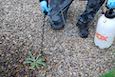
Safe Use Practices for Pesticides
Steps to protect yourself, others, and the environment when using pesticides.

Food Safety
Pesticide residues on food and what you can do to reduce them.
If you have questions about this, or any pesticide-related topic, please call NPIC at 800-858-7378 or email us at npic@oregonstate.edu.